Bouquet Embroidery Design: A Designer’s Practical Review
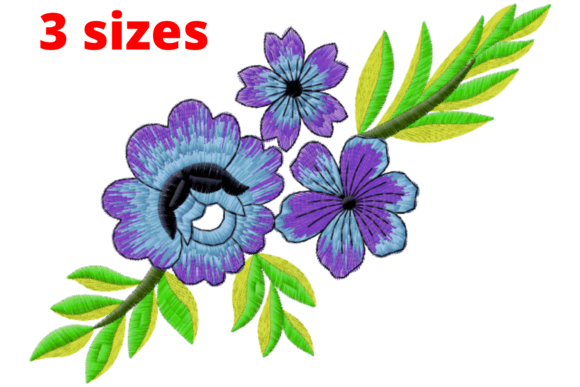
When I first loaded the Bouquet Embroidery Design into my digitizing software, I wasn’t looking for flashiness. I was looking for balance. As an experienced designer who has spent countless hours troubleshooting puckered fabrics and broken needles, I approach every new machine embroidery design with a critical eye. The description promised that the bouquet takes center stage, showcasing a vibrant assortment of blooms that dance together in harmonious colors and delicate details. After reviewing the file structure and running several test stitches, I can confirm that this piece holds up under scrutiny, but it requires thoughtful execution to truly shine.
First Impressions and Visual Personality
The immediate mood of this design is cheerful yet refined. It does not rely on heavy, blocky shapes. Instead, each flower is meticulously digitize to create a sense of movement. The layout feels organic, avoiding the rigid symmetry that often makes floral designs look stiff or dated. For a craft business owner, this visual personality is a significant asset. It appeals to customers looking for something that feels handmade and personal, rather than mass-produced.
The detail level is moderate to high, which means it works beautifully as a focal point. However, this intricacy demands respect. If you are planning to use this as a small accent on a collar or cuff, you might lose the definition of the individual petals. This design belongs on surfaces where it has room to breathe, such as the chest of a sweatshirt, the center of a tote bag, or the corner of a pillow cover.
Real-World Application: The Custom Tote Bag Scenario
To truly evaluate how this embroidery file performs, I applied it to a real-life project scenario: a custom canvas tote bag for a local boutique. Canvas is a sturdy fabric, but it has a distinct texture that can interfere with fine details. I selected a medium-weight stabilizer to prevent pull-out, a common issue with larger floral arrangements.
The result was impressive. The harmonious colors blended well against the natural beige of the canvas. The satin stitch outlines provided crisp edges, while the fill stitch areas gave the blooms volume without becoming too dense. Customers at the boutique were drawn to the vibrancy of the piece. It transformed a simple utility item into a personalized gift worthy of a higher price point. This confirms that the design adds tangible value to a finished product, enhancing brand perception for any Etsy seller or small shop owner.
Versatility Across Product Lines
Beyond tote bags, this design shows promise in several other categories. For custom apparel, it works exceptionally well on sweatshirts and hoodies, where the thicker fabric supports the stitch count. It also makes a lovely addition to aprons, adding a touch of whimsy to kitchen textiles. For baby embroidery, parents often prefer softer, pastel thread palettes. When adjusted for lighter colors, this bouquet retains its charm without appearing too bold for nursery decor or baby blankets.
However, versatility does not mean universal compatibility. While it could work as an embroidered patch, the intricate edges might require careful trimming and backing if cut out. For holiday embroidery projects, such as Christmas ornaments or festive tea towels, the design fits well, provided the color scheme matches the seasonal theme.
Technical Considerations and Fabric Constraints
Before committing to a large production run, you must consider where this design should be used carefully. The primary concern is stitch density. Floral designs often accumulate many layers of thread in the center of the blooms. On thin or stretchy fabrics, such as lightweight jersey t-shirts or silk, this density can cause puckering or distortion. If you must use it on these materials, a high-quality cut-away stabilizer is non-negotiable.
Dark fabrics present another challenge. The "vibrant assortment of blooms" relies on color contrast. On black or navy fabric, you may need to adjust the thread colors to ensure the details remain visible. A running stitch underlay becomes crucial here to anchor the design and prevent the dark fabric from peeking through the lighter threads. Additionally, curved surfaces like caps require careful hooping. The bulk of the floral cluster might not lay flat on a structured cap front, so testing on a scrap piece of similar material is essential.
Designer Notes for Best Results
- Test on Scrap Fabric: Always stitch out a sample on the exact fabric type you intend to use. This reveals any tension issues or registration errors before you ruin a final garment.
- Check Thread Color Contrast: Use your machine’s preview function or a printable mockup to see how the thread colors interact. Sometimes, two similar shades blend too much, losing the "delicate details" mentioned in the product description.
- Review Stitch Density: If your machine struggles with thick threads, consider reducing the density slightly in your editing software, though this may alter the original look.
- Confirm Hoop Size: Ensure your hoop is large enough to accommodate the full bouquet without re-hooping, which can lead to misalignment.
- Inspect Small Details: Zoom in on the digital file. Look for tiny, isolated stitches that might not hold well on loose-weave fabrics.
- Commercial Licensing: If you are an Etsy seller or run a small shop product line, verify the license terms. Most designers allow selling finished physical items, but reselling the digital embroidery file itself is usually prohibited.
Impact on Brand and Customer Trust
Using a high-quality design like Bouquet Embroidery Design directly impacts customer trust. When a buyer receives a handmade product with clean, crisp stitching and no loose threads, they perceive the brand as professional. This design, with its meticulous digitizing, supports that perception. It avoids the amateurish look of poorly connected paths or excessive jump stitches.
For commercial embroidery projects, consistency is key. This design offers a reliable template that can be scaled or recolored to fit different client needs while maintaining its core aesthetic. Whether used for wedding gifts, boutique branding, or everyday design assets, it provides a solid foundation for creative entrepreneurship.
In conclusion, this bouquet is more than just a pretty picture. It is a functional, well-constructed tool for creators. By respecting its technical requirements and choosing the right applications, you can leverage its beauty to create standout products that resonate with buyers. Remember, the success of any embroidery project lies not just in the design file, but in the care taken during its execution.