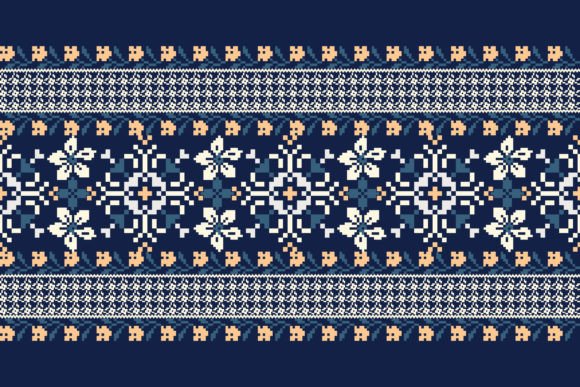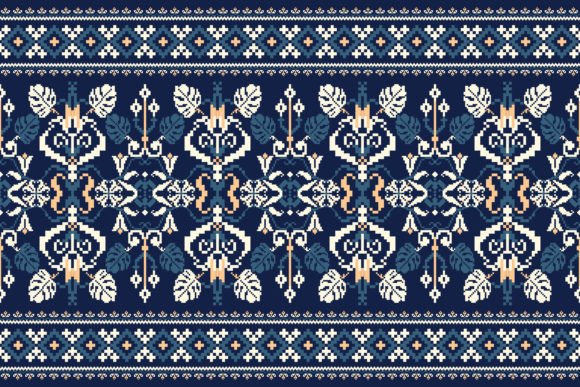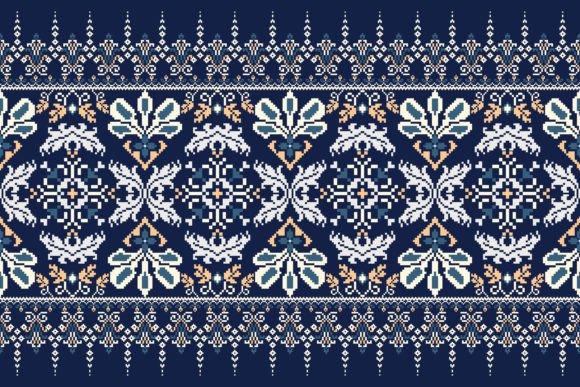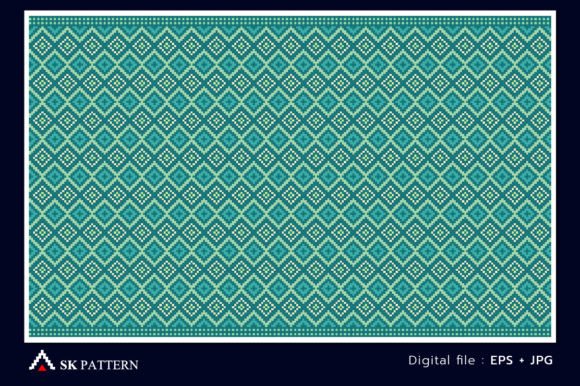
Reviewing the Embroidery Floral Geometric Pattern
When I first pulled up the Embroidery Floral Geometric Pattern on my screen, I wasn’t looking for another generic floral motif. As a designer who has spent years troubleshooting digitized files and managing client expectations, I look for structure. I look for clarity. This design caught my eye because it bridges two very different worlds: the organic softness of nature and the rigid precision of pixel art geometry. It is not just a pretty picture; it is a structural challenge that, when executed correctly, can elevate a simple handmade product into something that feels contemporary and high-end.
First Impressions and Visual Personality
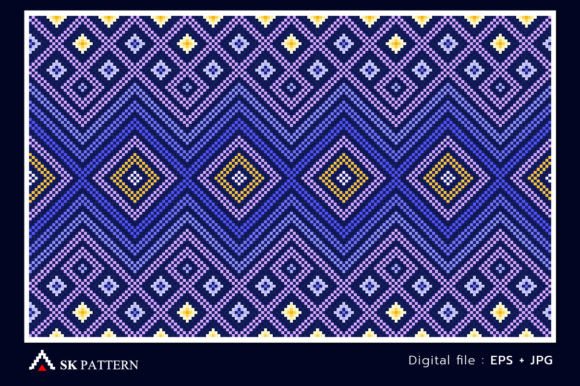
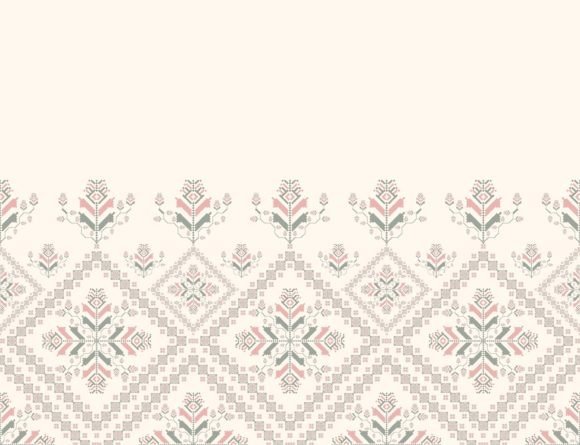
The immediate mood this pattern creates is one of ordered chaos. The vector geometric floral square shape provides a clear boundary, which is crucial for embroidery placement. Unlike free-flowing vines that can drift off-center or require complex hooping strategies, this square layout offers stability. The pixel art style suggests a retro-digital aesthetic, yet the colorful embroidery floral elements keep it warm and inviting. For an Etsy seller or boutique owner, this duality is powerful. It appeals to customers who want the nostalgia of cross-stitch or early digital graphics but with the polished finish of modern machine work.
In terms of visual personality, the design feels bold. It does not whisper; it speaks. This makes it ideal for statement pieces rather than subtle accents. When evaluating this as a design asset, I consider how the lines translate to thread. The geometric edges suggest sharp turns, which means the digitizer must have used careful underlay and precise stop points to prevent puckering. If the transition between the geometric frame and the floral interior is smooth, this file is a winner. If it looks jagged in the preview, it will look messy on fabric.
Real-World Application: The Tote Bag Test
To truly understand the value of this pattern, I imagined applying it to a custom canvas tote bag. This is a common request for small shop products. A plain cotton tote is durable but visually flat. Adding the Embroidery Floral Geometric Pattern changes the entire perception of the item. Because the design is a seamless pattern style, it can be scaled or repeated, but for a single focal point, the square shape works perfectly centered on the bag’s face.
I considered the stitch types likely involved. The geometric borders would benefit from a clean satin stitch to maintain those crisp, pixel-like edges. The floral interiors, however, might require a fill stitch to provide color saturation without becoming too dense. If the density is too high, the canvas could pucker. If it is too low, the backing fabric might show through. This balance is where the quality of the embroidery file is tested. In a real project, I would pair this with a medium-weight cutaway stabilizer to ensure the tote holds its shape after repeated washing and heavy use.
Versatility Across Product Lines
Beyond tote bags, this design has significant potential in other categories. For custom apparel, such as a heavyweight sweatshirt, the geometric frame prevents the design from getting lost in the fabric’s texture. Sweatshirts often have a fuzzy surface that can obscure fine details, but the bold lines of this pattern should remain visible. For baby items, like a muslin swaddle or a denim jacket, the playful pixel aesthetic fits the current trend of modern nursery decor. However, I would advise caution with delicate fabrics. The stitch density must be appropriate for thin materials, or you risk damaging the garment.
For those selling digital products or printable mockups, this graphic serves as excellent design assets. It can be used in branding materials to showcase what a finished product might look like before the actual stitching begins. This helps build customer trust and reduces hesitation in buying personalized gifts.
Technical Considerations and Pitfalls
While the design is striking, it is not without its challenges. Here is where practical experience matters more than aesthetic appeal.
- Fabric Texture: On highly textured fabrics like terry cloth or thick wool, the finer pixel details may get lost. This design performs best on smooth or tightly woven fabrics like cotton, linen, or poly-blends.
- Curved Surfaces: Applying a square geometric pattern to a curved surface, such as a cap or a rounded pillow cover, requires careful placement. The corners of the square can distort if not centered perfectly. I recommend using a hoop size that allows for maximum stability around the entire perimeter of the design.
- Stitch Density: Pixel art styles can sometimes lead to excessive stitch counts if every "pixel" is treated as a separate block. Check the file details. If the density is too high, it will create a stiff, cardboard-like feel on the fabric. If you are doing commercial embroidery for items that need frequent washing, flexibility is key.
- Color Contrast: The description mentions colorful threads. Ensure there is enough contrast between the geometric border and the floral interior. If the colors are too similar, the definition of the pixel art style will vanish, leaving a muddy blob.
Designer Notes for Best Results
Before running this machine embroidery design on a final client piece, always test it on scrap fabric identical to your project material. This is non-negotiable. Check how the thread colors interact with the fabric background. A dark fabric may require a lighter underlay or specific thread choices to make the colors pop. Conversely, on light fabric, ensure the stabilizer does not show through any gaps in the fill stitch.
Also, verify the licensing terms. Just because a file is labeled as a Graphics or Patterns product does not automatically grant commercial rights for physical goods. Confirm whether you can sell the finished embroidered items or if the license is limited to personal use. For craft business owners, this distinction is vital to avoid legal issues down the line.
Finally, consider the hoop size. While the square shape is versatile, ensure your machine can accommodate the dimensions without needing to re-hoop, which can cause alignment errors. If the design is large, a multi-position hoop might be necessary, but for most standard applications, a 5x7 or 6x10 hoop should suffice, depending on the specific file scaling.
Final Verdict on Commercial Viability
The Embroidery Floral Geometric Pattern is a strong contender for makers looking to differentiate their offerings. It moves away from traditional, overly sentimental florals and offers a modern, graphic alternative. It works well for holiday embroidery, boutique branding, and everyday carry items. Its success lies in the execution: proper stabilizer choice, accurate thread color matching, and attention to stitch density. When done right, it adds perceived value to the finished product, making it stand out in a crowded market of handmade goods. It is not just a design; it is a tool for building a recognizable brand aesthetic.