Review: Cute Red Panda Embroidery Design
As a designer who spends more time staring at stitch maps than actual fabric, I have developed a keen eye for what works in the hoop and what looks charming on screen but fails in thread. When I first pulled up the Cute Red Panda Embroidery Design, my initial reaction was one of cautious optimism. The preview promised a whimsical addition to the Baby Animals category, but previews can be deceptive. I needed to know if this digital embroidery file held up under the needle, especially when applied to real-world products for clients and small shop inventories.
First Impressions and Visual Personality
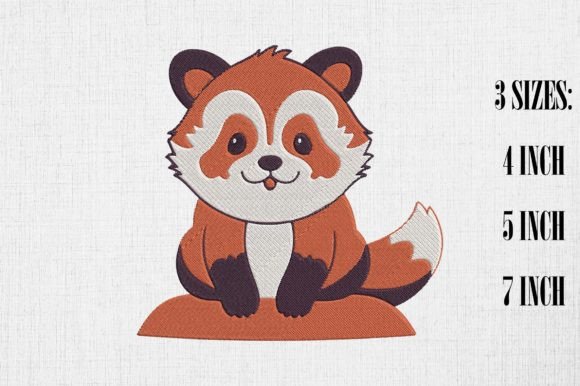
The mood of this design is immediately warm and approachable. It captures the playful essence of a red panda without relying on overly complex shading that often turns into a muddy mess during stitching. The layout feels balanced, with a clear focal point that draws the eye. For an embroidery project intended for commercial use, this visual clarity is crucial. Customers scrolling through Etsy listings or browsing a craft fair table need to recognize the subject instantly. This design achieves that recognition factor while maintaining a soft, handmade aesthetic that appeals to buyers looking for personalized gifts.
What stands out is the potential versatility. While it fits neatly into the Baby Animals niche, its appeal extends far beyond nursery decor. The character’s expression is neutral enough to work on adult apparel, such as a cozy sweatshirt embroidery piece, yet cute enough for a baby’s onesie. This duality makes it a valuable asset for any craft business looking to maximize the utility of their design library.
Real-World Application: The Tote Bag Test
To truly evaluate the Cute Red Panda Embroidery Design, I imagined a specific scenario: a custom order for a boutique client wanting branded tote bags for a local wildlife conservation fundraiser. The goal was a product that felt professional yet inviting. I considered how the design would sit on a canvas tote bag design. Canvas has a distinct weave, which can sometimes interfere with fine details. However, the bold lines and solid fill areas of this red panda suggested it would hold up well against the textured fabric.
In this context, the design serves as more than just decoration; it becomes a conversation starter. A well-executed embroidered patch or direct-to-garment stitch can elevate a simple tote from a utility item to a statement piece. For an Etsy seller, offering this design on various items like aprons or kitchen towels could create a cohesive collection. The key is consistency. If the stitch density is too high, the fabric might pucker; if it is too low, the backing might show through. Based on the visual structure, this design appears to strike a reasonable balance, though testing is always mandatory.
Performance on Different Materials
One of the biggest challenges in machine embroidery is adapting a single digital embroidery file to multiple substrates. Here is how I anticipate this design performing across common materials:
- Cotton T-shirts and Onesies: The soft curves of the red panda should translate well to knit fabrics, provided you use the correct stabilizer. A cut-away stabilizer is likely necessary to prevent distortion after washing.
- Towels and Tablecloths: Textured fabrics like terry cloth can swallow small details. Since this design relies on broader shapes rather than intricate micro-details, it should remain visible and crisp on home decor items like kitchens and towels.
- Caps and Curved Surfaces: Embroidering on curved surfaces requires careful hooping. The compact nature of this design makes it a strong candidate for cap embroidery, where space is limited and distortion is a risk.
- Fleece and Blankets: For holiday embroidery projects, placing this on a fleece blanket adds a tactile warmth. However, you must watch for pile interference. Using a topping sheet might be necessary to keep the satin stitch clean.
It is important to note that while the description mentions it comes with multiple formats, you must verify the specific file types compatible with your machine. Always check the stitch count and dimensions before committing to a large run of custom apparel.
Technical Considerations for Designers
From a technical standpoint, there are areas where caution is advised. Any design with dense stitch areas risks causing fabric puckering, especially on thin or stretchy fabric. Before launching this as a small shop product, I recommend running a test on scrap fabric identical to your final material. Pay close attention to the transition between color blocks. If the thread colors do not have sufficient contrast, the definition of the red panda’s features may get lost.
Another critical factor is the hoop size. Ensure your machine’s hoop can accommodate the design’s dimensions with adequate margin for stability. For those creating printable mockups or digital product previews, remember that screen resolution differs from thread reality. A design that looks sharp in a PNG preview might require adjustments in tension or needle size when stitched out.
Best Practices for Commercial Use
- Test on Scrap Fabric First: Never skip this step. Check for thread breaks, nesting, or registration issues.
- Check Thread Color Contrast: Use high-quality rayon or polyester threads to ensure the reds and browns pop against the background fabric.
- Review Stitch Density: If the design feels stiff after stitching, consider reducing density in non-critical areas if your software allows editing.
- Confirm Licensing: Before selling finished items or digital products, verify the license terms. Some designers allow commercial use of finished goods but restrict the resale of the embroidery file itself.
- Inspect Small Details: Look closely at the eyes and nose. These tiny elements define the character’s personality. If they are unclear, the whole design suffers.
Enhancing Brand Value and Customer Trust
Using a high-quality design like the Cute Red Panda Embroidery Design directly impacts perceived value. In the world of handmade products, professionalism is signaled by precision. Clean edges, consistent tension, and appropriate material choices build customer trust. When a buyer receives a personalized gift that looks meticulously crafted, they are more likely to return and recommend your brand.
For creative entrepreneurs, this design offers flexibility. It can be a standalone feature on a pillow cover or part of a larger composition on a jacket. Its adaptability makes it a smart addition to your design assets. Whether you are preparing for holiday embroidery rushes or everyday boutique branding, having reliable, versatile files in your arsenal reduces stress and improves output quality.
In conclusion, this design shows promise for both hobbyists and serious makers. It balances charm with technical feasibility, making it suitable for a wide range of embroidery projects. By respecting the material constraints and following best practices for machine embroidery, you can turn this digital file into a tangible product that delights customers and strengthens your brand identity. Always remember to check the specific details provided with the download, such as included sizes and formats, to ensure seamless integration into your workflow.