Review: Embroidery Leopard Pen Wraps Sublimation for Craft Fairs
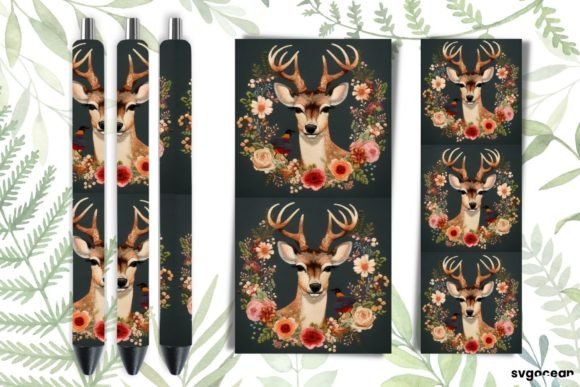
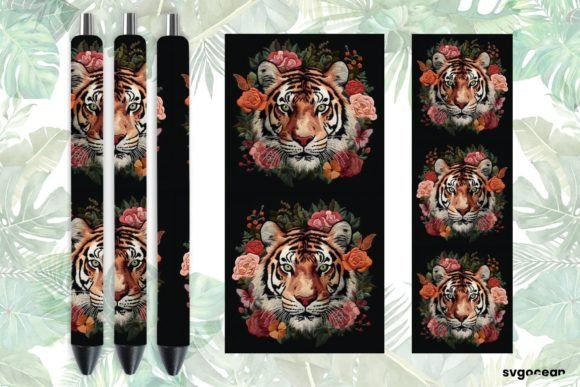
As an embroidery designer who has spent countless weekends standing behind booth tables, I have learned that not every machine embroidery design translates into a bestseller. When I first pulled up the files for Embroidery Leopard Pen Wraps Sublimation, my immediate reaction was one of cautious curiosity. The title suggests a hybrid approach, blending the tactile richness of embroidery with the vibrant, all-over print capability of sublimation. For those of us in the Crafts and Graphics space, understanding how these two worlds collide is essential for creating high-value items.
First Impressions and Visual Appeal
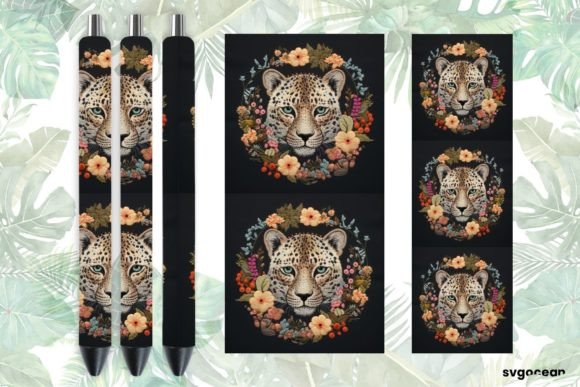
The initial glance at this asset reveals a bold, modern aesthetic. It does not lean into the soft, pastel farmhouse trend that has saturated the market for years. Instead, it feels confident and edgy. The leopard motif is timeless, but when paired with pen wraps or stationery accessories, it targets a specific demographic: the creative professional, the student, or the gift-buyer looking for something chic rather than cutesy. This design stands out because it bridges the gap between functional office supplies and fashionable accessories.
In a crowded craft fair environment, visual stoppower is everything. A design like Embroidery Leopard Pen Wraps Sublimation offers high contrast. If you are using this as a focal point on a neutral background, it demands attention. It feels premium because it suggests a level of customization that mass-produced items lack. For an Etsy seller or boutique maker, this visual distinctiveness is crucial for brand consistency and buyer engagement.
Product Versatility for the Handmade Market
While the title specifies pen wraps, my experience tells me to look broader. How does this perform across a typical craft fair inventory? Let’s break down the potential applications for this digital embroidery file and its accompanying graphics.
- Tote Bag Design: Placing this motif on a canvas tote creates an instant statement piece. The leopard print adds texture and interest without overwhelming the bag’s structure.
- Apron Embroidery: For kitchenware, this works beautifully on bistro-style aprons. It adds a touch of personality to what is often a utilitarian item.
- Tea Towel Embroidery: Here, caution is key. Tea towels have a loose weave. Ensure the stitch density is appropriate so the fabric does not pucker.
- Embroidered Patch: This is perhaps the strongest application. Patches allow for dense stitching and high detail. A leopard patch sells well as an add-on item at checkout.
- Fabric Pouches and Market Bags: Small zippered pouches benefit from the bold graphic nature of the design. It makes the small item feel substantial and valuable.
When evaluating Embroidery Leopard Pen Wraps Sublimation, consider how it photographs for online listings. High-contrast patterns can sometimes cause moiré effects in photos if not lit properly. However, when done right, the interplay between the sublimated background and embroidered accents creates depth that flat prints cannot achieve. This perceived quality increases the product value significantly.
Practical Production and Selling Points
From a production standpoint, repeatability is vital for a small shop product. You need designs that are quick to hoop and stitch without constant troubleshooting. This design appears to be optimized for efficiency, but there are critical factors to check before running a batch.
First, examine the stitch density. Leopard spots often involve satin stitches or fill patterns. If the density is too high on a thin fabric, you risk perforation. If it is too low, the backing may show through. Always test on scrap fabric identical to your final product. Second, consider the thread colors. Leopard prints rely on subtle gradients. Using variegated threads can mimic the natural look of fur, enhancing the handmade quality.
The description notes that the download includes PNG files at 300 DPI. This is excellent for creating printable mockup assets for your Etsy listings. You can overlay these high-resolution images onto product photos to show customers what the finished item looks like without stitching every single sample. This saves time and reduces material waste.
Careful-Use Notes and Technical Considerations
Every designer knows that some files are trickier than others. Here are specific areas where Embroidery Leopard Pen Wraps Sublimation requires careful handling:
- Fabric Texture: Textured towels or thick denim may distort small details. Ensure the design elements are large enough to remain clear on rough surfaces.
- Curved Surfaces: If applying this to caps, remember that curved surfaces distort horizontal lines. Adjust the placement carefully to avoid warping the leopard pattern.
- Dark Fabric: If the sublimation element is light and the fabric is dark, you will need a white underbase or a light-colored applique fabric to make the design pop.
- Small Lettering: If the design includes text, verify legibility at smaller sizes. Tiny lettering often merges together after washing.
Additionally, always confirm the hoop size required. While the PNG dimensions are provided (450x1425 px and 750x1500 px), the actual embroidery file dimensions are not explicitly stated in the brief description. You must check the included digitized file to ensure it fits your machine’s hoop. Trying to force a large design into a small hoop leads to skipped stitches and broken needles.
Maximizing Booth Display Strength
When setting up your table, use Embroidery Leopard Pen Wraps Sublimation to create a cohesive theme. Group all leopard-themed items together. Use the pen wraps as impulse buys near the register. Pair them with matching embroidered patches or small pouches. This cross-merchandising strategy increases the average transaction value.
Customers are drawn to items that tell a story. Explain that this is a hybrid technique, combining digital precision with handcrafted stitching. This narrative justifies a higher price point. It positions your commercial embroidery work as innovative and technically skilled, setting you apart from sellers who only offer basic monograms.
Final Designer Verdict
Before listing this as a craft fair product, take the following steps:
- Test the design on three different fabric types to check for puckering.
- Review the spacing between elements to ensure no thread breaks occur during high-speed stitching.
- Use the correct stabilizer for your fabric weight. Cut-away stabilizer is often safer for stretchy fabrics used in pen wraps or pouches.
- Confirm commercial licensing terms. The description mentions "HOW CAN I EXTRACT M," which suggests there may be additional instructions or license details in the ZIP file. Read these carefully to ensure you are compliant when selling finished products.
In conclusion, Embroidery Leopard Pen Wraps Sublimation is a strong contender for makers looking to refresh their inventory with something modern and bold. It performs well on a variety of handmade products, from tote bags to patches. By paying attention to technical details like stitch density and fabric choice, you can turn this design asset into a profitable staple of your small business. It is not just a graphic; it is a tool for building a recognizable, high-quality brand in the competitive handmade marketplace.