Reviewing the Boho Embroidery Ethnic Pattern Vector
As a designer who has spent countless hours digitizing files and testing stitches on everything from stiff denim to delicate silk, I approach every new Graphics asset with a critical eye. We are not just looking for pretty pictures; we are looking for functional art that translates well into thread. Recently, I evaluated the Boho Embroidery Ethnic Pattern Vector, a digital asset that promises versatility across various mediums. My goal was to determine if this design holds up under the scrutiny of real-world production, particularly for those of us running small shops or creating high-end personalized gifts.
First Impressions: Mood and Visual Personality
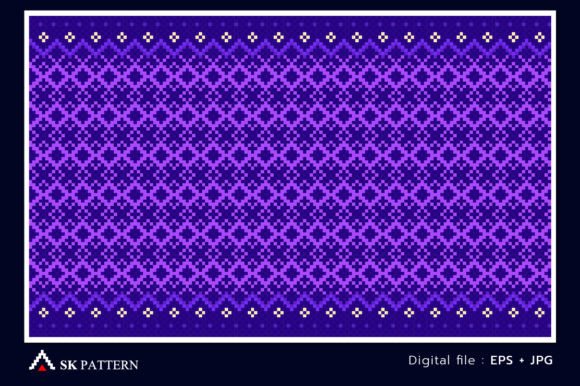
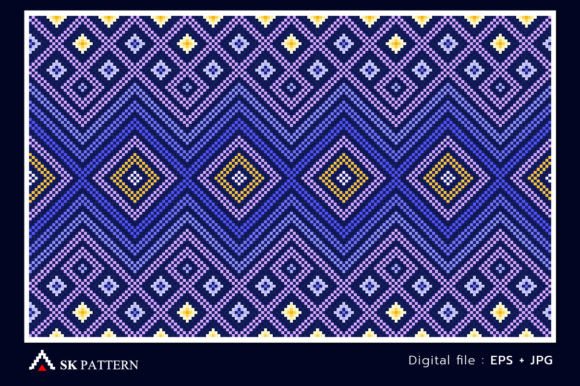
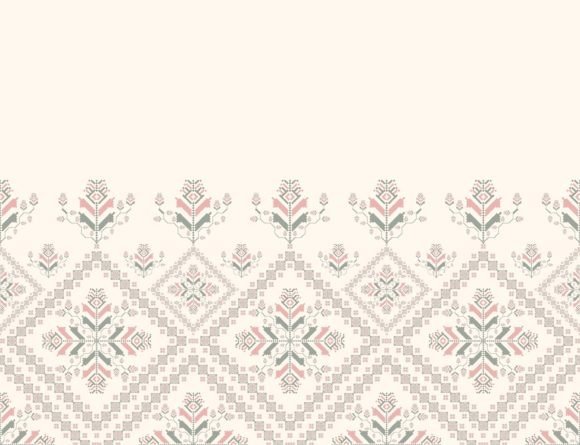
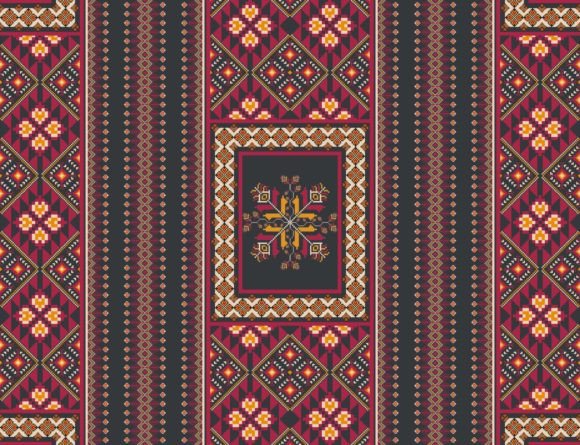
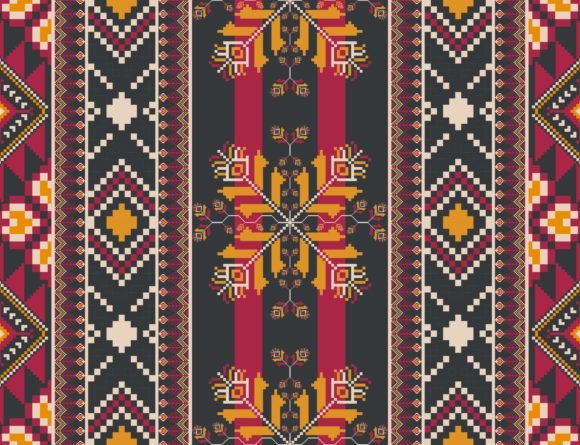
The immediate impression of the Boho Embroidery Ethnic Pattern Vector is one of grounded elegance. It does not scream for attention with chaotic lines but rather invites the viewer in with rhythmic, organic shapes. The layout feels balanced, avoiding the common pitfall of asymmetrical designs that look lopsided when centered on a garment. For embroidery designers, this balance is crucial. It suggests a mood that is both modern and timeless, fitting seamlessly into the current trend of mindful, slow-fashion aesthetics.
What stands out most is the detail level. In vector form, the lines are crisp, which is essential for clean digitizing. However, as someone who knows that a screen image rarely matches the stitched reality, I looked closely at the complexity. The pattern features intricate motifs that could easily become a nightmare of thread breaks if not handled correctly. It feels like a design that belongs on substantial items—think heavy cotton tote bags, structured cushion covers, or thick wool blankets—rather than flimsy, sheer fabrics where the backing might show through.
Real-World Application: From Screen to Stitch
To truly test the viability of this Patterns collection, I imagined a specific client project: a custom order for a boutique selling artisanal home goods. The client wanted a set of floor pillows and matching throw blankets that exuded a cozy, ethnic vibe. This is where the Boho Embroidery Ethnic Pattern Vector shines. The repeating nature of the design allows for scalable placement, making it ideal for large surface areas like tapestries or wall art.
However, applying this to apparel requires more caution. I visualized using this design on a sweatshirt embroidery project. The boho aesthetic pairs beautifully with the casual comfort of fleece, but the density of the pattern must be managed. If you attempt to stitch the entire vector as a solid fill on a curved surface like a sleeve or a cap, you risk puckering the fabric. Instead, I would recommend isolating specific elements of the pattern to create an embroidered patch or a chest-left motif. This approach maintains the visual appeal without compromising the structural integrity of the garment.
For Etsy sellers and craft business owners, this design offers significant value in product diversification. It can be adapted for scarves, dresses, and skirts, provided the stitch density is adjusted for the fabric weight. A light running stitch or satin stitch border might work better for delicate skirts, while a dense fill stitch would anchor the design on sturdy canvas tote bags.
Navigating Technical Challenges
While the aesthetic is strong, the technical execution demands respect. One must consider where this design should be used carefully. Small hoop sizes present a challenge because the intricate details of the ethnic pattern may get lost or become too dense to stitch cleanly in a 4x4 inch area. If you are working with textured fabrics, such as terry cloth towels or knitted baby clothes, the fine lines of the vector might sink into the pile. In these cases, using a cut-away stabilizer is non-negotiable to ensure the finished product remains flat and professional.
Dark fabrics also pose a contrast issue. Since this is a vector graphic, it likely relies on line work rather than solid blocks of color. On black or navy fabric, standard thread colors might not pop. I advise testing thread color contrast rigorously. Metallic threads or bright whites can provide the necessary visibility, but they require careful tension settings to prevent shredding. Additionally, curved surfaces like caps require specialized digitizing techniques to distort the pattern slightly, ensuring it looks correct when viewed from the front.
Enhancing Brand Value and Customer Trust
From a business perspective, the quality of your design assets directly impacts customer trust. A sloppy, poorly digitized embroidery file can ruin the reputation of a handmade product. The Boho Embroidery Ethnic Pattern Vector, when properly digitized, elevates the perceived value of the item. It signals professionalism and attention to detail. For holiday embroidery projects or wedding gifts, this level of polish is what turns a simple item into a cherished keepsake.
Buyer engagement often hinges on visual clarity in listings. Using this design in printable mockups or digital product previews can help customers visualize the final result. However, always be transparent about the handmade nature of the product. Show close-ups of the stitch texture to highlight the craftsmanship. This builds recognition and consistency for your brand, distinguishing your small shop product from mass-produced alternatives.
Practical Designer Notes for Implementation
Before committing to a full production run, follow these practical steps to ensure success with this design:
- Test on Scrap Fabric: Always stitch out a sample on the exact material you intend to use. This reveals issues with pull compensation and registration.
- Check Thread Color Contrast: Ensure your chosen palette stands out against the background fabric, especially for detailed corners.
- Review Stitch Density: High-density areas can cause fabric distortion. Consider using applique design techniques for larger sections to reduce bulk.
- Confirm Hoop Size: Make sure your machine’s hoop can accommodate the desired scale of the pattern without repositioning, which can lead to misalignment.
- Inspect Small Details: Zoom in on the vector file. If lines are too thin, they may not stitch well. You may need to simplify certain elements during digitizing.
- Use Proper Stabilizer: Match the stabilizer to the fabric. Tear-away for stable wovens, cut-away for stretchy knits, and water-soluble for delicate items.
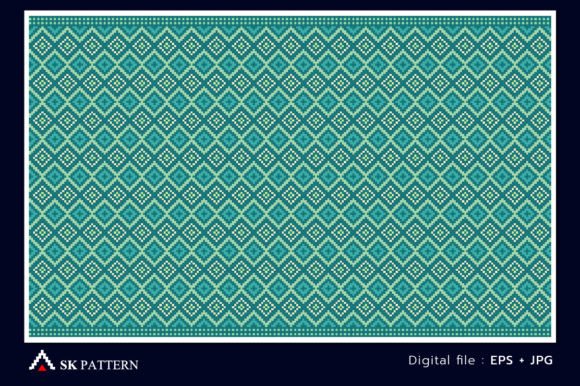
It is also vital to address licensing. The product description mentions files included are 1 EPS file and 1 JPG. Note that these are Graphics files, not native machine embroidery formats like PES or DST. You will need to digitize these vectors yourself or hire a digitizer. Confirm whether the license allows for commercial use of the digitized output. Many designers assume buying a vector grants them the right to sell stitched items, but this is not always the case. Always check the specific terms before listing finished products or digital embroidery files for sale.
In conclusion, the Boho Embroidery Ethnic Pattern Vector is a robust resource for creative entrepreneurs who understand the nuances of translation from screen to stitch. It offers a sophisticated aesthetic that fits well within the current market demand for authentic, handmade goods. By respecting its technical requirements and applying thoughtful digitizing practices, you can create stunning custom apparel, home decor, and personalized gifts that resonate with customers and stand the test of time.