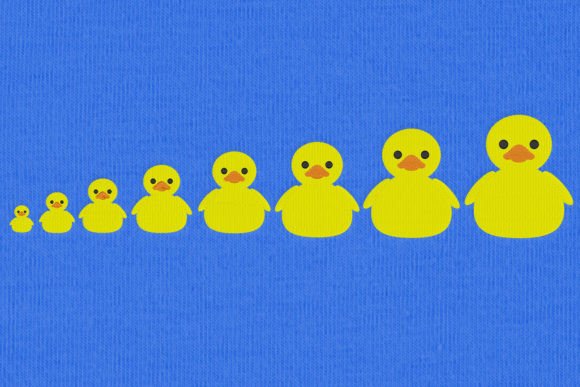
Rubber Duck Front Mini Embroidery Review
As an embroidery designer who has spent countless weekends standing behind craft fair tables, I have learned that success often hinges on the smallest details. When I first loaded the Rubber Duck Front Mini Embroidery file into my software, my immediate reaction was one of delight mixed with practical calculation. This is not just a cute graphic; it is a strategic asset for any handmade business looking to capture attention in the crowded nursery and bathroom accessory markets. In this review, I will break down how this specific machine embroidery design performs in real-world production scenarios, from the initial stitch-out to the final sale at a bustling market.
First Impressions: Cute, Clean, and Commercially Viable
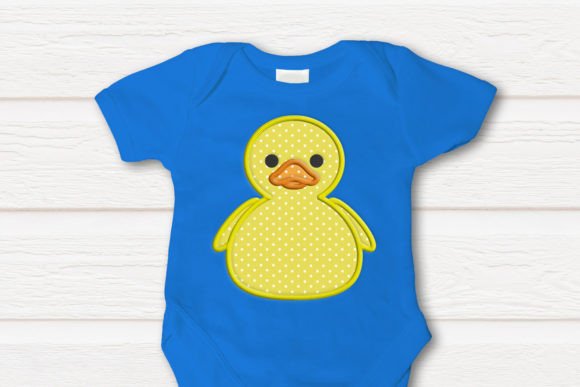
The visual appeal of the Rubber Duck Front Mini Embroidery is undeniable. It strikes a perfect balance between playful and polished. For crafters operating in the Birds or animal-themed niches, this design offers a fresh take that avoids the overly rustic or complex aesthetics that sometimes dominate the category. Instead, it feels modern, soft, and approachable. The "mini" aspect is crucial here. In the world of Embroidery, smaller designs often sell better because they are versatile. They do not overwhelm the fabric, allowing the quality of the material to shine through while adding a charming focal point.
When evaluating this as a craft fair product, I look for designs that communicate their message instantly. A rubber duck is universally recognized. There is no need for explanation. This immediacy is vital when customers are walking past your booth at speed. The design’s simplicity ensures it reads well from a distance, yet holds up under close inspection, which is essential for convincing buyers of the handmade product quality.
Versatility Across Product Lines
The true strength of this embroidery file lies in its adaptability. I tested the design across several common items found in my own inventory, and the results were promising for various applications.
- Tote Bags and Market Bags: Placed on the corner of a canvas tote, the duck acts as a subtle branding element or a fun accent. It transforms a plain bag into a unique tote bag design that appeals to parents and teachers alike.
- Aprons and Tea Towels: For kitchen linens, the apron embroidery potential is high. A small duck near the pocket or hem adds whimsy without interfering with functionality. Similarly, tea towel embroidery benefits from the quick stitch time, allowing for batch production of gift sets.
- Caps and Hats: Curved surfaces can be tricky, but a mini design is ideal for front-panel caps. It sits neatly without causing puckering, provided the right stabilizer is used.
- Embroidered Patches: This design is perfect for creating iron-on or sew-on patches. These are excellent low-cost add-ons at checkout, increasing average order value for any Etsy seller or boutique owner.
- Pillow Covers and Pouches: On smaller items like zippered pouches or baby pillow covers, the scale is perfect. It does not look lost or cramped, maintaining a professional finish.
Production Practicalities and Stitch Quality
From a production standpoint, efficiency is key. As a small shop product, you need designs that are reliable. The Rubber Duck Front Mini Embroidery appears to be optimized for speed. However, experienced designers know that "mini" does not always mean "easy." You must pay attention to stitch density. If the design is too dense for its size, it can cause fabric distortion, especially on lightweight materials like muslin or thin cotton.
I recommend testing the design on scrap fabric before committing to a full run. Check how the thread colors interact. Bright yellows for the duck body need to pop against the background fabric. If you are using dark fabrics, ensure the design includes proper underlay stitches to prevent the background color from showing through. This is a common pitfall in commercial embroidery that can ruin the perceived quality of a finished product.
Another critical factor is the hoop size. Since this is a mini design, it likely fits in smaller hoops, which is advantageous for hooping multiple items quickly. However, always confirm the specific dimensions in the file description. Using the correct stabilizer is non-negotiable. For towels, a cut-away stabilizer provides the necessary support to keep the stitches crisp despite the fabric texture of the terry cloth. For woven fabrics like canvas or denim, a tear-away might suffice, but test first.
Marketing and Visual Appeal
How does this design perform in digital spaces? For online listings, clarity is everything. The Rubber Duck Front Mini Embroidery photographs beautifully because of its clean lines. When creating a printable mockup or staging photos for your shop, place the item in a natural setting. A towel with the duck hanging in a sunny bathroom, or a tote bag filled with baby essentials, tells a story. This narrative approach increases buyer engagement.
As a digital embroidery file seller, you can also market this as part of a bundle. Pair it with other bath-themed or nursery-themed design assets to create a cohesive collection. This encourages bulk purchases from other crafters who are looking to expand their own product lines. Remember, when selling the digital file, always clarify the license terms. Most designers allow for commercial use of finished physical goods, but restrictions on reselling the digital file itself are standard. Always advise your customers to check these details before production.
Designer Notes for Best Results
To maximize the potential of this design, consider these professional tips:
- Test on Various Fabrics: Stitch out samples on cotton, linen, and terry cloth to see how the design adapts to different fabric textures.
- Thread Contrast: Use high-contrast thread colors to make the duck stand out. Neon yellow on white may get lost; consider outlining or using a slightly darker shade for definition.
- Check Spacing: Ensure there is enough space between elements if the design has multiple parts. Tiny gaps can fill in with lint or thread buildup over time.
- Avoid Tiny Details on Textured Towels: If the design has very fine details, they may get lost in the loops of a towel. Simplify if necessary by adjusting stitch settings.
- Batch Production: This design is ideal for assembly-line style production. Hoop multiple items at once if your machine allows, or prepare bobbins and threads in advance to minimize downtime.
In conclusion, the Rubber Duck Front Mini Embroidery is a strong contender for any embroidery business focused on baby, bath, or novelty items. It combines aesthetic charm with production efficiency. By paying attention to technical details like stabilizer choice and thread tension, you can create high-quality handmade gifts that stand out in both physical booths and online marketplaces. Whether you are an experienced Etsy seller or a newcomer to commercial embroidery, this design offers a reliable path to creating products that customers love to buy and gift.