Folk Embroidery Patterns: A Designer’s Review
As an embroidery designer who has spent countless weekends behind a craft fair table, I have learned that the difference between a browser and a buyer often comes down to visual impact. When I first encountered Folk Embroidery Pattern Digital Papers, my immediate instinct was not just to admire the art, but to evaluate its potential as a revenue driver for handmade businesses. These are not merely decorative images; they are strategic assets for any Etsy seller or boutique maker looking to elevate their booth presence.
First Impressions: Rustic Charm Meets Modern Utility
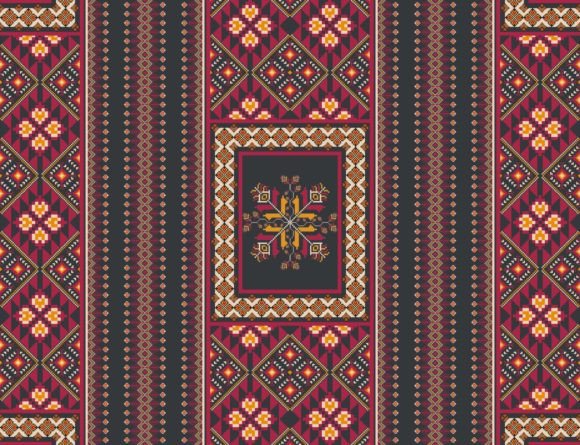
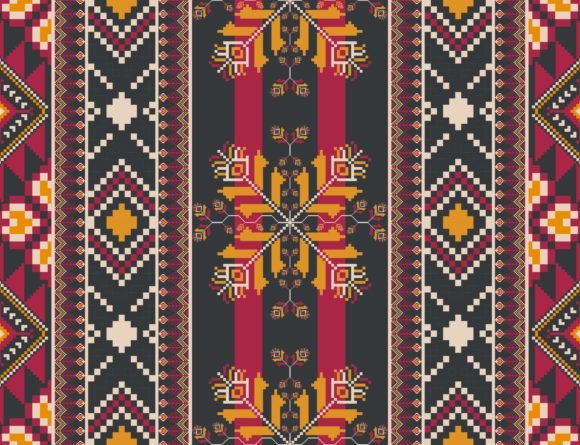
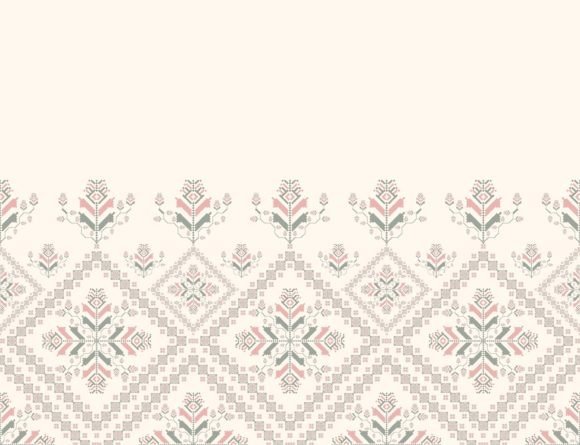
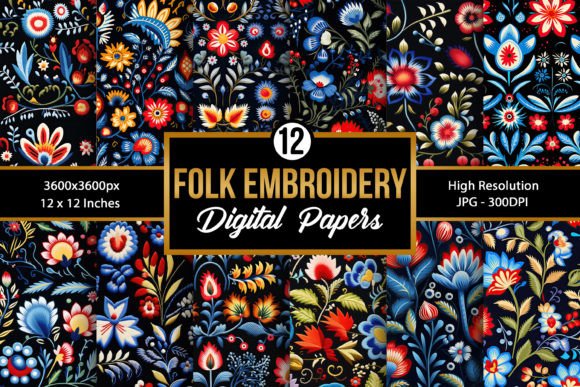
The collection features twelve distinct seamless patterns, each capturing the essence of folk art with a contemporary twist. The aesthetic leans heavily into a rustic, farmhouse vibe that is currently dominating the handmade market. It feels warm, inviting, and authentically crafted. For a craft fair product, this mood is essential. Customers at weekend markets are often seeking items that feel personal and grounded, and these graphics deliver that emotional connection instantly.
What stands out most is the versatility. While the title suggests "Folk," the execution is clean enough to fit into modern minimalist homes. This broad appeal is crucial for a small shop product because it allows you to target multiple customer demographics without changing your core inventory. The high-resolution 300dpi quality ensures that when these patterns are printed or used as references, they retain their crispness, avoiding the pixelated look that can cheapen a brand’s perceived value.
Transforming Graphics into Tangible Goods
The true test of any design assets package is how it translates from screen to fabric. I evaluated how these patterns would perform across a standard craft fair inventory list. For tote bags, the seamless nature of the files means you can create all-over prints that look expensive and custom-made. A tote bag design using these floral motifs becomes an instant bestseller because it combines utility with artistic flair.
When considering apron embroidery or tea towel embroidery, these patterns serve as excellent guides. Even though the product is provided as JPGs rather than a native machine embroidery design format like PES or DST, they are invaluable for creating sublimation prints or as reference images for hand-embroidery kits. For those running a commercial embroidery service, these graphics can be digitized into a proper embroidery file to create unique patches or direct-to-garment designs.
I also see massive potential for embroidered patches. By isolating specific flower elements from the seamless pattern, you can create small, high-margin items. An embroidered patch featuring one of these folk flowers can be sold individually or used to embellish caps and denim jackets, adding significant perceived value to basic garments.
Practical Production and Selling Points
From a production standpoint, batch consistency is key. Because these are digital papers, you can reproduce the exact same look on hundreds of items, ensuring your brand remains consistent. This is vital for building trust with repeat customers. Furthermore, the 12″ x 12″ size is perfect for creating printable mockups. Before you commit to stitching a dozen aprons, you can print the pattern on paper and pin it to the fabric to check placement and scale.
Photography is another area where these graphics shine. High-quality visuals drive online sales. Using these patterns as backgrounds for your product photos or as part of the item itself creates a cohesive aesthetic that stops the scroll on social media. A well-staged photo of a pillow cover featuring these folk motifs can significantly boost buyer engagement and click-through rates for your Etsy seller store.
Careful-Use Notes for Designers
However, there are practical limitations to consider. Since these are raster graphics (JPGs) and not vector or stitch files, you cannot simply load them into an embroidery machine. You must digitize them or use them for printing. If you plan to embroider these designs, pay close attention to stitch density. Folk art often features dense floral clusters. If you digitize these without adjusting the density, you risk needle breaks or fabric puckering, especially on lighter materials.
Be cautious with tiny details. When scaling down for small items like coin purses or baby caps, intricate petals may merge together, losing clarity. Always test the design on scrap fabric first. Check your thread colors against the fabric texture; a textured towel might hide fine lines, while a smooth cotton will show every imperfection. Additionally, if you are working with dark fabric, ensure your digitizing includes proper underlay stitches to prevent the background color from showing through the folk motifs.
Maximizing Visual Appeal and Brand Strength
Using Folk Embroidery Pattern Digital Papers strategically can enhance your brand’s visual identity. Consistency in design language makes your booth recognizable. If every item, from pillow covers to market bags, shares the same folk-inspired floral theme, you create a curated collection rather than a random assortment of goods. This cohesion signals professionalism and care, which justifies higher price points.
Moreover, these patterns can be used to create complementary products. For example, you could sell a finished embroidered cushion alongside a printable art print of the same pattern. This cross-merchandising technique increases the average order value and provides customers with options at different price levels.
Final Designer Recommendations
Before launching any new product line based on these graphics, I recommend a rigorous testing phase. Confirm the hoop size requirements if you are digitizing specific elements. Choose the right stabilizer for your fabric type; cut-away stabilizers are often better for stretchy fabrics like tote bag canvas, while tear-away works well for stable woven cottons.
It is also critical to review the licensing terms. While the product description mentions commercial use for finished products, always double-check if there are restrictions on selling the digital files themselves or using them in mass-produced items beyond a certain quantity. Ensure you are compliant to protect your business.
In conclusion, Folk Embroidery Pattern Digital Papers are a robust resource for creative entrepreneurs. They offer the flexibility needed for diverse product lines, from home decor to wearable art. By understanding their strengths and limitations, you can transform these digital graphics into tangible, high-selling crafts that resonate with customers and stand out in a crowded marketplace. Whether you are a seasoned pro or just starting your handmade journey, these patterns provide a solid foundation for building a beautiful and profitable brand.