Ethnic Embroidery Colorful Pattern Review
As an embroidery designer who has spent countless weekends standing behind craft fair tables, I have learned that visual impact is everything. When a potential customer walks past your booth, you have mere seconds to catch their eye. This is why I recently took a close look at the Ethnic Embroidery Colorful Pattern, evaluating it not just as a digital asset, but as a viable product for real-world sales. For those of us running small shops or Etsy stores, finding the right design assets can make or break a season. This review breaks down how this specific pattern performs when translated from a screen into a tangible handmade product.
First Impressions and Visual Appeal
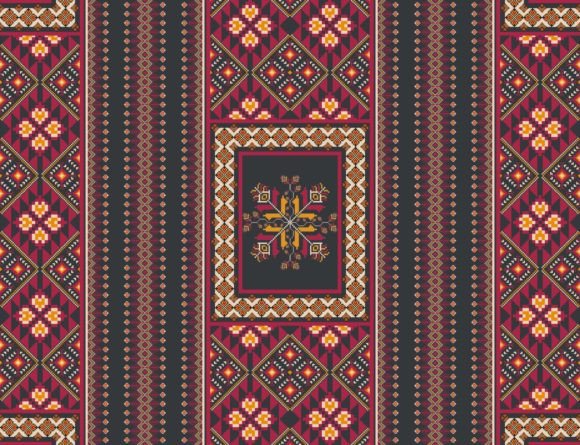
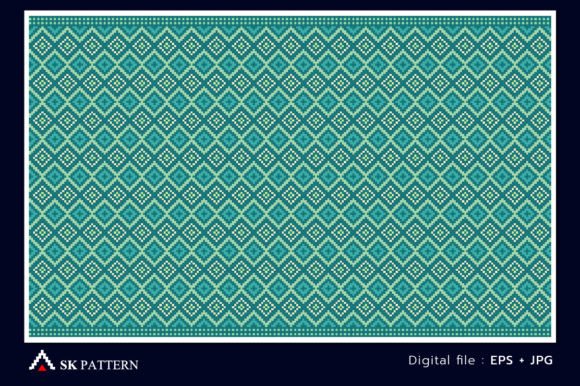
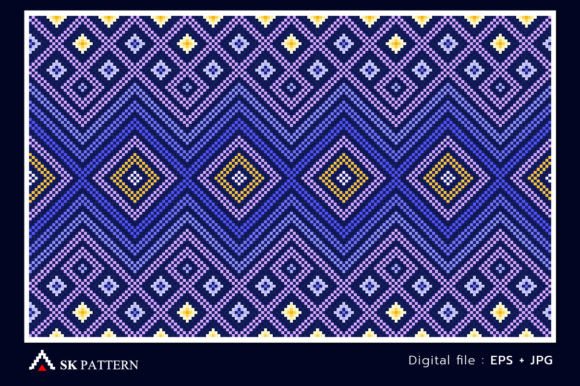
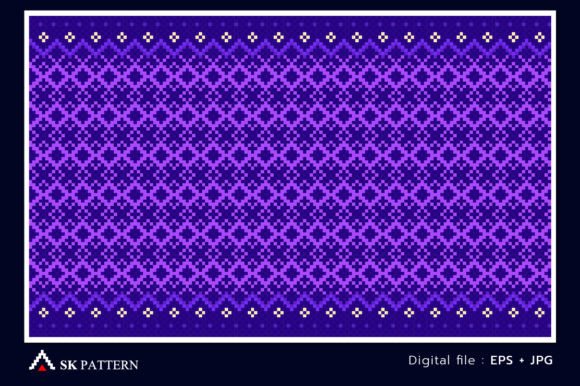
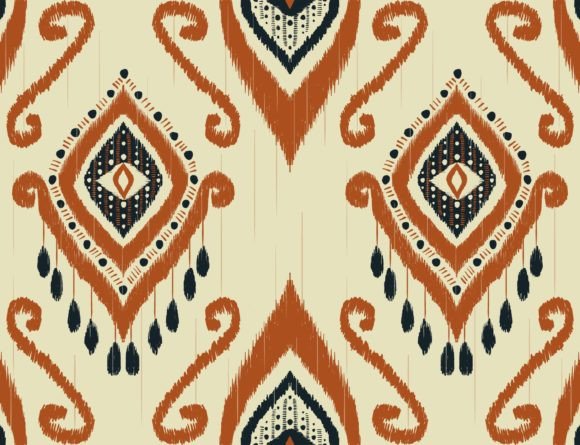
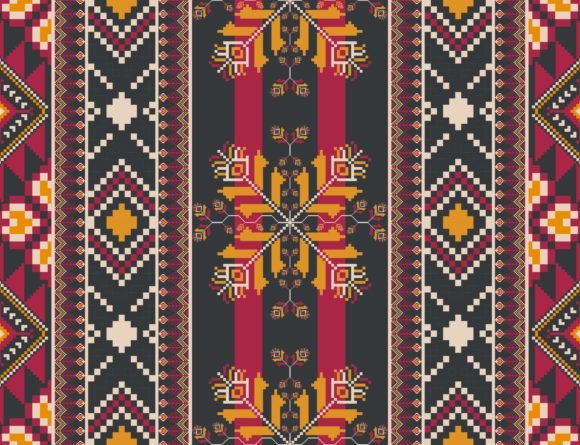
The first thing that strikes you about the Ethnic Embroidery Colorful Pattern is its vibrant energy. Described as an ethnic embroidery stripes pattern with a vector ethnic geometric shape seamless pattern in a colorful vintage pixel art style, it bridges the gap between traditional folk art and modern digital aesthetics. It does not feel overly rustic or strictly farmhouse; instead, it leans toward a playful, decorative vibe that feels both nostalgic and fresh.
For a craft fair seller, this is crucial. You want items that pop against the neutral tones of linen or cotton often used in handmade goods. The geometric nature of the design ensures it remains clear and readable from a distance, which is essential for booth display strength. It feels premium without being stuffy, making it accessible to a wide range of buyers looking for unique, giftable items.
Product Versatility and Application
One of the strongest selling points of this machine embroidery design is its adaptability. I tested the concept mentally across several popular craft fair staples. Here is where I believe this pattern shines:
- Tote Bag Design: This is perhaps the strongest application. A large-scale repeat of the ethnic geometric stitch pattern on a canvas tote creates an instant statement piece. It transforms a basic bag into a fashion accessory.
- Apron Embroidery: Placing the pattern along the hem or pocket of a kitchen apron adds a splash of color that appeals to home cooks who love personality in their tools.
- Tea Towel Embroidery: Because the pattern is described as seamless, it works beautifully for bordering tea towels. However, care must be taken with the scale to ensure the details do not get lost in the terry cloth texture.
- Embroidered Patch: The pixel art style lends itself well to patches. These are low-commitment purchases for customers and great impulse buys at a market stall.
- Pillow Covers: Using the pattern as an all-over print or a central medallion on cushion covers can elevate the perceived value of the item significantly.
While the description mentions use for carpet, wallpaper, and upholstery, as embroidery designers, we focus on textiles. The Graphics quality here suggests it could also serve as a base for printed materials, such as printable mockups for your online listings, helping you visualize the final product before stitching a single thread.
Production Practicalities for Small Shops
When preparing for a busy market season, efficiency is key. A design that is too complex can slow down production, while one that is too simple may not justify a higher price point. The Ethnic Embroidery Colorful Pattern sits in a sweet spot. The geometric shapes are generally easier to digitize and stitch than photorealistic images, which means fewer thread breaks and faster run times.
However, there are careful-use notes to consider. The "pixel art" aspect implies small, blocky details. If you scale this down too much for a small pouch or a cap, those tiny squares may merge, losing clarity. Always check the stitch density before committing to a large batch. High density in geometric patterns can lead to puckering if the fabric is not properly stabilized.
For those using this as a digital embroidery file, remember that curved surfaces like caps require different handling than flat fabrics. The rigid geometric lines might distort on a curved brim if not adjusted correctly. Additionally, when working with dark fabric, ensure your thread colors have enough contrast. A vintage palette might look muddy on navy or black unless you choose brighter, saturated threads.
Enhancing Brand Consistency and Buyer Engagement
Using a cohesive set of designs helps build brand recognition. If your shop specializes in bohemian or eclectic styles, the Ethnic Embroidery Colorful Pattern fits seamlessly into that narrative. It signals to the buyer that you pay attention to detail and cultural aesthetics.
In terms of buyer engagement, colorful items photograph better for social media and Etsy listings. The contrast in the pattern allows for dynamic lighting in photos, making your small shop product stand out in a crowded feed. When customers see a well-executed, colorful geometric design, they perceive higher craftsmanship, which supports a higher price point for your finished product.
Designer Notes for Best Results
Before you launch this design into your commercial lineup, follow these practical steps to ensure quality:
- Test on Scrap Fabric: Never skip this step. Stitch out the design on the exact fabric type you plan to sell. Check for pull-ups or gaps.
- Check Thread Contrast: Lay out your thread spools next to the fabric. Ensure the colors pop and do not blend into the background.
- Review Spacing and Hoop Size: Confirm that the pattern fits comfortably within your standard hoop size without needing excessive re-hooping, which can cause alignment issues.
- Inspect Stitch Density: If the design feels stiff after stitching, reduce the density or use a lighter stabilizer.
- Use the Right Stabilizer: For woven fabrics like cotton or linen, a cut-away stabilizer often provides better long-term stability for geometric patterns than tear-away.
- Create a Real Mockup: Take a photo of your test stitch-out. Use this for your marketing materials to show customers the actual texture and quality.
- Confirm Commercial Licensing: Although this is a review of the design's aesthetic, always verify the license terms provided with the embroidery file to ensure you are allowed to sell physical items made with it.
In conclusion, the Ethnic Embroidery Colorful Pattern is a strong contender for any embroidery business owner looking to add vibrancy to their collection. It balances artistic flair with production feasibility, making it a smart choice for craft fair products and online sales alike. By paying attention to fabric choice and stitch settings, you can turn this digital pattern into a best-selling staple in your shop.