Baseball Ball Embroidery: A Designer’s Review
As an embroidery designer who has spent years digitizing logos for local businesses and boutique brands, I approach every new machine embroidery design with a critical eye. It is not just about whether the image looks cute on a screen; it is about how that design translates to fabric, withstands wear and tear, and elevates a brand’s perceived value. Recently, I downloaded the Baseball Ball Embroidery file from the Freebies section to test its viability for small business merchandise. This review breaks down the visual personality, practical application, and technical considerations of this specific digital embroidery file.
First Impressions: Simplicity Meets Versatility
The first thing that strikes you about Baseball Ball Embroidery is its clean, uncluttered aesthetic. In a market saturated with overly complex, high-density designs that often result in puckering or thread breaks, this design offers a refreshing simplicity. It feels playful yet professional, striking a balance that is essential for modern small business merch. The lines appear crisp, suggesting that the digitizer prioritized stitch flow over unnecessary fill patterns. For a brand looking to project a friendly, approachable, and active image, this design serves as an excellent visual anchor. It does not scream for attention with neon colors or intricate shading; instead, it relies on shape and form, which is often the hallmark of enduring brand identity.
Real-World Applications for Small Businesses
When evaluating a design for commercial use, I always ask: where does this live? For Baseball Ball Embroidery, the applications are surprisingly broad, provided you respect the scale. Here is how I envision this design performing in real-world scenarios:
- Embroidered Patches: This is perhaps the strongest use case. A simple baseball motif works beautifully as a woven or embroidered patch for cafes, sports bars, or youth leagues. It adds a tactile element to jackets and bags without overwhelming the garment.
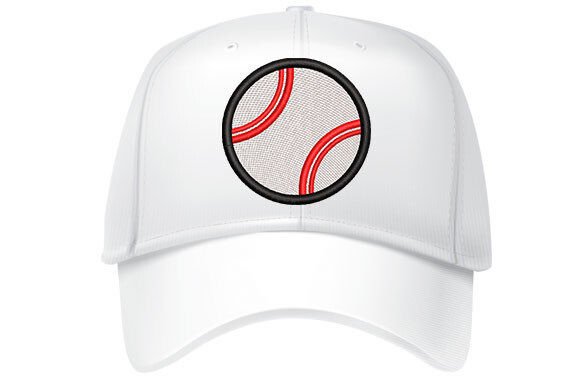
- Cap Embroidery: Caps require designs that are compact and have minimal underlay to prevent stiffness. Given the "cool and simple" description, this design likely sits well on the front panel of a dad hat or trucker cap, offering a subtle nod to leisure or team spirit.
- Apron Embroidery: For bakeries, florists, or artisan coffee shops, branding on aprons is crucial. Placing this design on the chest pocket area creates a cohesive look for staff uniforms, enhancing professionalism while maintaining a handmade charm.
- Tote Bag Design: Canvas totes are a staple for retail packaging. A single, well-executed baseball icon can serve as a minimalist logo mark, appealing to customers who prefer understated custom apparel and accessories.
Because this embroidery file comes with multiple formats, it is adaptable to various hoop sizes, making it a flexible asset for Etsy sellers and crafters who need to maximize their material usage.
Technical Considerations and Placement Strategy
While the design is described as simple, no embroidery project is without its technical nuances. As a designer, I advise caution in specific areas to ensure the finished product meets professional standards.
Fabric Texture and Stabilizer Choice
The success of any embroidery job hinges on the interaction between thread, needle, and fabric. For Baseball Ball Embroidery, I recommend testing on medium-weight cotton or twill first. If you are applying this to textured fabrics like terry cloth or heavy denim, you must adjust your stitch density and use a robust cut-away stabilizer. On lighter fabrics, such as those used for tote bags or summer tees, a tear-away stabilizer might suffice, but always test for shadowing. The contrast of white thread against dark fabric is classic, but ensure your tension is balanced to prevent the fabric from pulling.
Scale and Legibility
One common mistake with simple icons is shrinking them too much. While this design is suitable for small accents, reducing it below one inch may cause the stitches to merge, losing the definition of the baseball seams. Always check the recommended hoop size limits provided with the file. If you plan to use this as a sleeve detail or a small chest logo, keep it above 1.5 inches to maintain clarity. Conversely, if you blow it up for a large back print, ensure the stitch length does not become too long, which can lead to snagging.
Thread Color Contrast
Since the design is linear and iconic, thread colors play a massive role in its impact. Traditional red stitching on white fabric evokes a classic sports feel, while navy or black on heather gray offers a more modern, urban vibe. For corporate clients, stick to brand colors. However, avoid using too many color changes if the design is intended for high-volume production, as this increases machine time and labor costs.
Enhancing Brand Identity and Customer Trust
In the world of handmade and small business products, consistency is key. Using a recognizable symbol like Baseball Ball Embroidery across different touchpoints builds recognition. When a customer sees the same high-quality embroidery on a cap, a tote bag, and a staff uniform, it reinforces trust. It signals that the business cares about details and quality. This design, when executed well, contributes to a premium perception of your handmade product line. It moves the item from being a generic commodity to a branded asset.
Furthermore, for Etsy sellers and digital creators, offering items featuring this design can differentiate your shop. It allows for creative storytelling—perhaps linking the product to themes of teamwork, leisure, or classic Americana. This emotional connection drives buyer engagement and can justify a higher price point for your commercial embroidery services.
Practical Designer Notes for Production
Before you commit to a full production run, follow these steps to ensure quality control:
- Test in Black and White: Before selecting final thread colors, stitch out the design in black thread on white fabric. This helps you identify any spacing issues or potential jumps that might not be visible in a colorful mockup.
- Create a Printable Mockup: Use software to place the design on a photo of your actual product. This helps clients visualize the scale and placement before you hooped the first garment.
- Check Commercial Licensing: Although this is listed under Freebies, always verify the license terms. Ensure you have the right to use the design assets for commercial sales, especially if you are selling the physical embroidered items rather than just the digital file.
- Inspect Stitch Density: Open the file in your editing software. Check if the density is appropriate for your target fabric. If it seems too dense for a lightweight tee, consider using a lighter weight thread or adjusting the pull compensation.
- Compare Beside Other Assets: Place this design next to your existing logo or other graphics. Does it clash stylistically? Does it complement your current brand identity? Consistency across your product line is vital for a professional appearance.
In conclusion, Baseball Ball Embroidery is a versatile and reliable addition to any designer’s library. Its simplicity is its strength, allowing it to adapt to various mediums from caps to aprons. By paying attention to technical details like stabilizer choice and scale, small business owners can leverage this design to create striking, professional-grade merchandise that resonates with customers. Always remember to check the specific file formats and licensing details provided with the download to ensure seamless integration into your workflow.