Reviewing the Colorful Ikat African Embroidery Pattern
As an embroidery designer who spends most days hooped up and threading needles, I am always on the lookout for digital assets that translate beautifully from screen to fabric. Recently, I had the chance to test the Colorful Ikat African Embroidery Pattern for a potential line of personalized gifts in my small shop. For those of us selling on Etsy or running local craft businesses, finding the right machine embroidery design is about more than just aesthetics; it is about durability, stitch quality, and emotional resonance with the buyer.
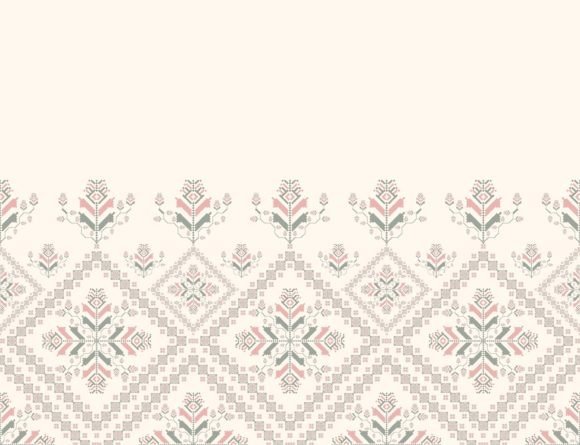
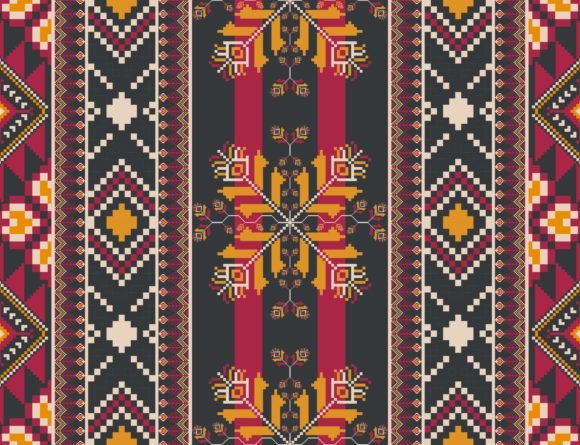
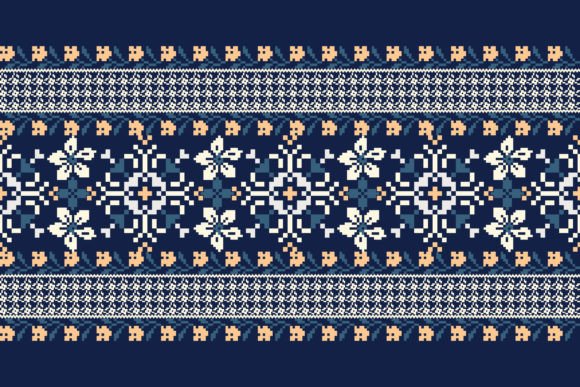
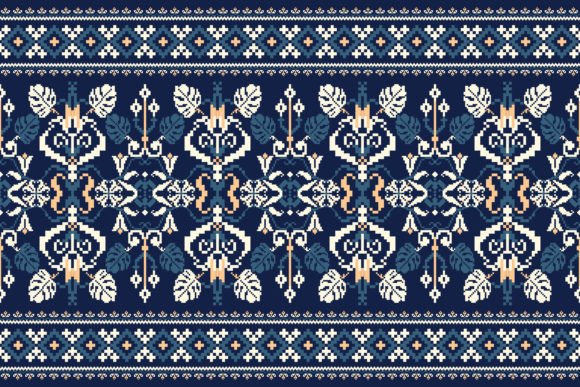
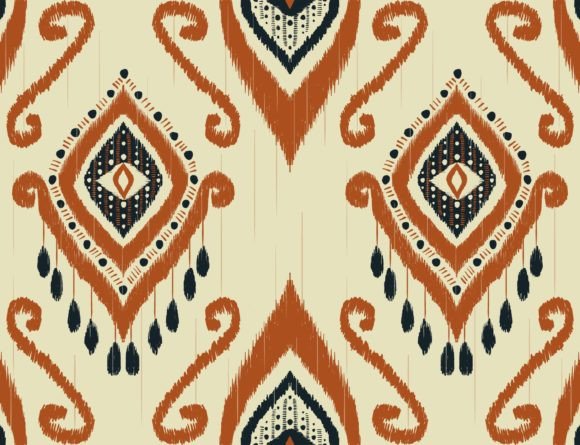
This particular Graphics asset caught my eye immediately. It features an illustration of a colorful African tribal embroidery ikat style seamless pattern set against a white cream background. The ethnic tribal pattern is marketed for fabric and home interior decoration elements, but I wanted to see if it could hold its own as a high-end personalized gift. Here is my practical review of how this design performs in real-world applications.
First Impressions: Mood and Visual Appeal
When I first loaded the preview of the Colorful Ikat African Embroidery Pattern, I was struck by its vibrant energy. The mood is distinctly modern yet rooted in tradition, offering a playful and elegant aesthetic that feels both handmade and sophisticated. Unlike some rigid geometric designs, the ikat style introduces a softness—a slight blur to the edges that mimics the traditional resist-dyeing technique. This gives the design a warm, organic charm that appeals to customers looking for something unique rather than mass-produced.
The color palette is rich and inviting. For embroidery makers, this suggests a wonderful opportunity to experiment with thread colors. While the digital file provides a guide, the ikat style allows for some creative interpretation. It feels sweet enough for a nursery yet bold enough for adult home decor. This versatility is crucial for small business owners who need to maximize the utility of every digital embroidery file they purchase.
Practical Applications for Personalized Gifts
The true test of any design is its application. I imagined several customer scenarios to see where this pattern would shine. Here is how the Colorful Ikat African Embroidery Pattern performs across different product categories:
- Baby Embroidery and Nursery Decor: The soft, creamy background tones and the rhythmic tribal motifs make this ideal for baby blankets and nursery wall art. It feels culturally rich and visually stimulating without being overwhelming. For a blanket embroidery project, the seamless nature of the pattern allows you to create a border or an all-over print effect that feels luxurious.
- Wedding Gifts and Keepsakes: For couples who appreciate global aesthetics, this design works beautifully on tote bags or pillow covers. It adds a layer of sophistication to a wedding gift, moving away from traditional monograms into something more artistic and memorable.
- Kitchen and Home Textiles: I tested the concept on an apron and an embroidered towel. The bold lines stand out well against natural linen or cotton. For a custom order, imagine this pattern framing a personalized name on a kitchen towel—it elevates a simple household item into a handmade product worthy of gifting.
- Etsy Listings and Craft Fairs: As an Etsy seller, visual appeal drives clicks. This pattern photographs exceptionally well because of its high contrast and intricate details. It creates a strong printable mockup potential, allowing you to show customers exactly how the finished product will look before they buy.
Navigating Technical Challenges and Fabric Choices
While the design is stunning, experienced embroiderers know that beauty must be balanced with technical feasibility. There are specific areas where you must use caution when working with the Colorful Ikat African Embroidery Pattern.
First, consider the fabric texture. The ikat style relies on subtle shifts in color and shape. If you stitch this on a highly textured fabric like thick terry cloth or a rough burlap, some of the finer details may get lost. I recommend using a smooth cotton, linen, or canvas for the best results. If you are stitching on a pillow cover made of velvet or corduroy, ensure your stitch density is adjusted so the design does not sink into the pile.
Second, be mindful of hoop size and placement. Since this is described as a seamless pattern, you might be tempted to tile it. However, tiling requires precise alignment. For a beginner, it is safer to use the design as a central focal point or a border element. Always check the recommended hoop size provided with the file. If the details are very small, ensure your machine can handle the resolution without thread breaks.
Third, think about the end-use. Will this custom embroidery be washed frequently? Items like baby clothes or kitchen towels undergo rigorous washing. Ensure you use a high-quality stabilizer to prevent puckering. For stretchy baby clothes, a cut-away stabilizer is often better than tear-away to maintain the integrity of the design over time. Also, avoid placing large, dense sections of this pattern on curved surfaces like the shoulders of a onesie, as it may cause stiffness and discomfort.
Enhancing Perceived Value and Customer Trust
From a business perspective, the Colorful Ikat African Embroidery Pattern adds significant perceived value. Customers are increasingly drawn to items that tell a story or reflect cultural appreciation. By offering products featuring this ethnic tribal pattern, you position your small shop product as thoughtful and curated. This builds customer trust and encourages higher engagement on social media.
When creating your commercial embroidery listings, highlight the uniqueness of the ikat style. Explain that each piece is stitched with care, using high-quality threads that complement the vibrant design. This narrative helps justify a higher price point and distinguishes your work from cheap, printed alternatives. The emotional connection buyers feel toward a meaningful, beautifully stitched item often leads to repeat business and positive reviews.
Final Technical Recommendations
Before you commit to a full production run, follow these practical steps:
- Test on Scrap Fabric: Always stitch a sample on the exact fabric you plan to use for the final product. Check for thread breaks and tension issues.
- Check Thread Color Contrast: Ensure your thread choices provide enough contrast against the fabric. The ikat effect relies on subtle variations, so choose threads that harmonize rather than clash.
- Verify Licensing: Although this is a Patterns graphic intended for use, always confirm the commercial licensing terms. Ensure you have the right to sell finished products made with this embroidery file.
- Inspect Small Details: After stitching, examine the smallest elements of the design. If they are messy or unclear, consider simplifying the design or adjusting the stitch density in your software if editable.
In conclusion, the Colorful Ikat African Embroidery Pattern is a versatile and emotionally resonant choice for embroidery designers. Whether you are creating a baby embroidery heirloom or a chic home decor item, this design offers the perfect blend of tradition and modern flair. With careful attention to fabric choice and stabilization, it can become a standout star in your personalized gift collection.