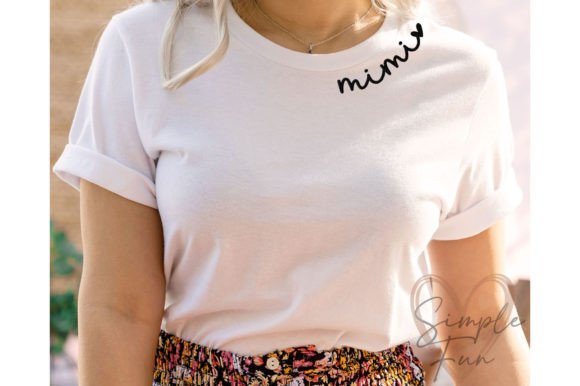
Mimi Embroidery: A Designer’s Review for Boutique Apparel
As an embroidery designer who spends countless hours digitizing and testing files for boutique collections, I approach every new machine embroidery design with a critical eye. It is not just about whether the file runs smoothly; it is about how the final stitch-out translates to a wearable, sellable product. Recently, I explored the Mimi Embroidery file available on Creative Fabrica, specifically evaluating its potential for a upcoming line of cozy, personalized apparel. For those of us creating for the Grandparents niche or looking to add sentimental value to our custom apparel, this design offers a distinct aesthetic that warrants a closer look.
Visual Personality and Stitching Mood
The first impression of Mimi Embroidery is one of approachable warmth. It does not scream for attention with aggressive boldness, nor does it fade into the background with excessive minimalism. Instead, it strikes a balance that feels both classic and slightly playful. The visual personality suggests a design that works exceptionally well for lifestyle products where comfort and sentiment are key selling points. When I visualize this embroidery file on a garment, I see a piece that enhances the fabric rather than overpowering it.
The stitching mood leans towards the cute and feminine, yet it retains enough structural integrity to feel premium. This is crucial for boutique brand owners who need their finished product to justify a higher price point. The detail level appears sufficient to create visual interest without becoming so dense that it compromises the drape of lighter fabrics. For designers focusing on the Grandparents category, this kind of subtle, heartfelt design often resonates more deeply than loud, graphic-heavy motifs.
Performance Across Apparel Categories
In my hypothetical collection planning, I tested the versatility of Mimi Embroidery across various garments. Here is how I envision it performing in real-world applications:
- Sweatshirt Embroidery: On neutral-toned sweatshirts, the design pops beautifully. The texture of the fleece provides a sturdy base, allowing the stitches to sit high and defined. It creates a cozy, high-end look that appeals to buyers seeking comfort.
- Hoodie Design: For chest placement on pastel hoodies, the design adds a touch of elegance. However, on dark apparel, I would recommend using high-contrast thread colors to ensure the details remain visible. The design holds up well on oversized garments, where a smaller, centered motif can look intentionally chic.
- T-Shirt Embroidery: When applied to cotton tees, the design requires careful attention to stabilizer choice to prevent puckering. It works best as a small left-chest accent rather than a large back design, maintaining a clean, ready-to-wear aesthetic.
- Tote Bag Design: Beyond clothing, this digital embroidery file shines on canvas tote bags. The sturdy fabric handles the stitch density well, making it an excellent option for complementary boutique merchandise or gift-with-purchase items.
For Etsy seller accounts and small shop owners, having a design that translates well across multiple product types is invaluable. It allows for consistent branding across a small shop product line, from apparel to accessories.
Strategic Placement and Fabric Considerations
While Mimi Embroidery is versatile, successful execution depends on strategic placement. Not every area of a garment is suitable for every design. Here are specific areas where I would exercise caution:
- Stretchy Fabric and Ribbing: Avoid placing this design directly on ribbed cuffs or highly stretchy sections of a hoodie. The movement can cause thread breakage or distortion over time. Always aim for stable panels.
- Dense Stitch Areas: If the design has areas of high saturation, test it on thinner fabrics first. On lightweight t-shirts, a heavy design can cause the fabric to pull or warp. Using a cut-away stabilizer is often necessary here.
- Curved Surfaces: Hooping curved surfaces like sleeves or hat brims requires skill. Ensure the hoop size matches the design dimensions precisely to avoid shifting. For hats, the rigid structure helps, but for soft caps, extra stabilization is key.
- Dark Garments: When embroidering on black or navy, ensure your thread quality is high to prevent sheen issues that might make the design look flat under certain lighting conditions.
Understanding fabric texture is part of the professional presentation. A design that looks crisp on a towel might behave differently on a silky blend. Always test on scrap fabric that matches your production material before committing to a full batch.
Enhancing Brand Identity and Value
Integrating Mimi Embroidery into your collection can significantly affect perceived value. In the world of commercial embroidery, consistency is king. Using a well-digitized, aesthetically pleasing design helps build buyer trust. Customers associate clean, precise stitching with quality craftsmanship. When you pair this design with high-quality blanks and professional printable mockup images for your online listings, you elevate the entire brand identity.
For social media graphics, the visual appeal of this design can drive engagement. Lifestyle product photos featuring the embroidery on cozy, seasonal outfits create an emotional connection with the viewer. It signals that the item is not just clothing, but a handmade product filled with care. This emotional resonance is what converts browsers into buyers, especially in niches like gifts for grandparents or personalized family apparel.
Practical Notes for Production
Before launching any product featuring Mimi Embroidery, adhere to these practical steps to ensure professional results:
- Test on Scrap Fabric: Never skip the test stitch. Use the same fabric weight and type as your final product to check for puckering or thread breaks.
- Check Stabilizer Choice: Match your stabilizer to the fabric. Cut-away for stretchy knits, tear-away for stable wovens. This decision impacts the longevity of the garment.
- Review Thread Color Contrast: Select threads that complement the garment color while ensuring the design remains legible. High contrast is safer for visibility, while low contrast offers a subtle, tonal look.
- Confirm Hoop Size: Verify that your machine’s hoop can accommodate the design dimensions without needing to re-hoop, which can lead to alignment errors.
- Inspect Stitch Density: If the design feels too stiff after stitching, consider adjusting your machine tension or using a lighter weight thread for less bulk.
- Verify Licensing: Always check the Creative Fabrica product details and licensing terms. Ensure you have the right to sell finished apparel commercially. The description notes this is a machine embroidery design, not an iron-on or patch, so confirm the specific usage rights for your business model.
In conclusion, Mimi Embroidery presents a solid option for designers looking to expand their Grandparents or general gift-oriented collections. Its balance of charm and professionalism makes it suitable for a wide range of sweatshirt embroidery and accessory projects. By paying attention to fabric compatibility and placement, you can leverage this digital embroidery file to create standout pieces that enhance your boutique’s reputation for quality and style.